

Navigating a world built for neurotypical brains can be exhausting. Whether you are dealing with the harsh fluorescent lighting of a UK supermarket, struggling with time blindness at work, or trying to help your child manage sensory overload in a busy classroom, the environment often feels like it is working against you.
However, making small, deliberate changes to your physical environment can make a massive difference. Building a toolkit of sensory aids and executive function supports is one of the most effective ways to reduce anxiety and prevent burnout.
If you are looking to build a “sensory diet” or find practical tools to manage daily life, we have compiled a list of the top 10 support products for neurodivergent minds.
You can find many of these fantastic, highly recommended aids directly through the links on our Neurosupport Directory product page.
1. Educational Guides and Parenting Resources
Navigating the SEND system and understanding your neurodivergent child’s unique profile can be overwhelming. Educational guides written by experts and those with lived experience provide invaluable roadmaps.
- Who it helps: Parents and carers of neurodivergent children and teenagers.
- Why it helps: These resources offer practical advice, decode complex educational jargon, and provide emotional validation, helping parents advocate effectively for their child’s needs at school and at home.

Explore Raising the SEN-Betweeners: The Sunday Times bestselling guide
2. Discreet Acoustic Earplugs
While large ear defenders are brilliant, many adults want something more discreet for the workplace, the pub, or the supermarket.
- Who it helps: Autistic and ADHD adults who experience auditory sensitivity but still need to engage in conversations.
- Why it helps: Unlike foam earplugs that muffle all sound, acoustic earplugs are engineered to filter out harsh background frequencies (like the hum of a fridge or traffic noise) while allowing the frequency of human speech to pass through clearly. They sit flush inside the ear, making them almost invisible to others.

Explore Loop Experience 2 Ear Plugs
3. Weighted Clothing
Sleep issues and daytime anxiety are incredibly common across the neurodivergent spectrum. Weighted clothing has taken the specialist occupational therapy benefits of weighted blankets and made them wearable for everyday life.
- Who it helps: Individuals dealing with anxiety, sensory overload, autism, and ADHD.
- Why it helps: Weighted clothing provides Deep Pressure Stimulation (DPS). The gentle, evenly distributed weight mimics the feeling of being held or hugged. This physical pressure tells the autonomic nervous system to switch from “fight or flight” mode into “rest and digest” mode, bringing instant grounding during stressful situations on the go.

4. Handheld Sleep and Calming Aids
Racing thoughts and physical restlessness can make falling asleep or calming down from a meltdown incredibly difficult.
- Who it helps: People with ADHD, autism, and general anxiety who struggle with insomnia or panic attacks.
- Why it helps: Handheld sleep devices often use microcurrent technology or gentle pulses to stimulate pressure points in the hand, which connect directly to the central nervous system. This helps to regulate brainwaves and lower stress hormone levels, promoting relaxation without the need for medication.
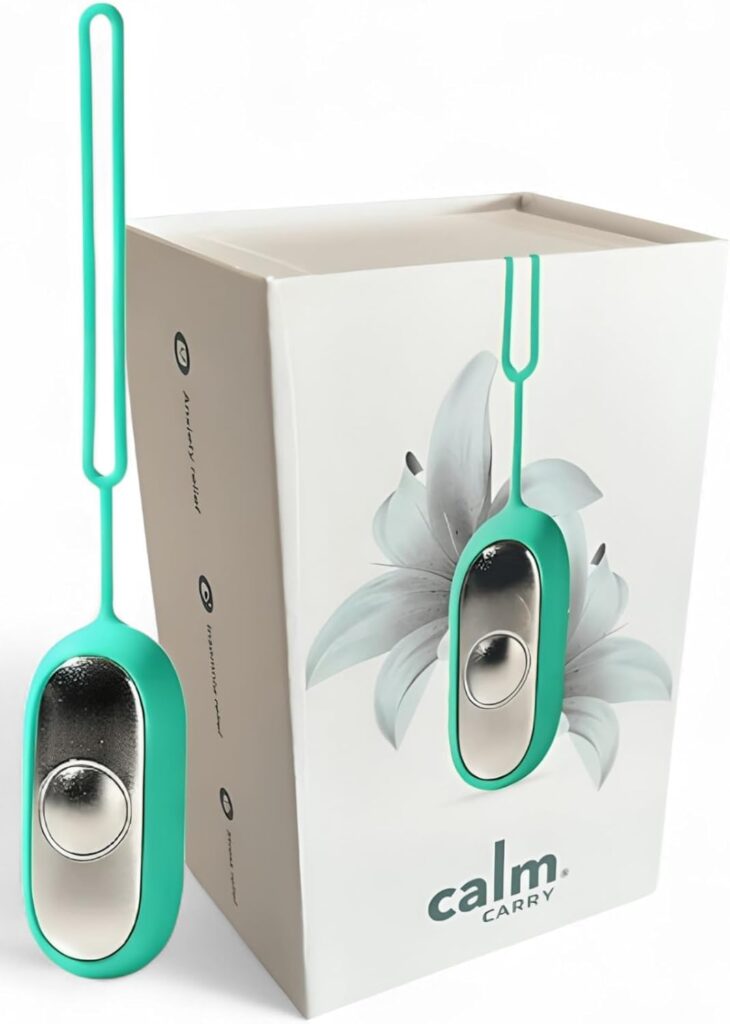
Explore the Glowco CalmCarry Sleep Aid Device
5. Hidden Disability Awareness Cards
Explaining your needs to strangers during a moment of high stress or sensory overload is often impossible, especially if you experience situational mutism.
- Who it helps: Autistic individuals, those with ADHD, or anyone with a hidden disability navigating public spaces.
- Why it helps: Awareness cards provide a clear, immediate visual explanation to retail staff, transport workers, or emergency services. They bypass the need for verbal communication when overwhelmed and instantly signal that the individual requires patience, space, or specific accommodations.
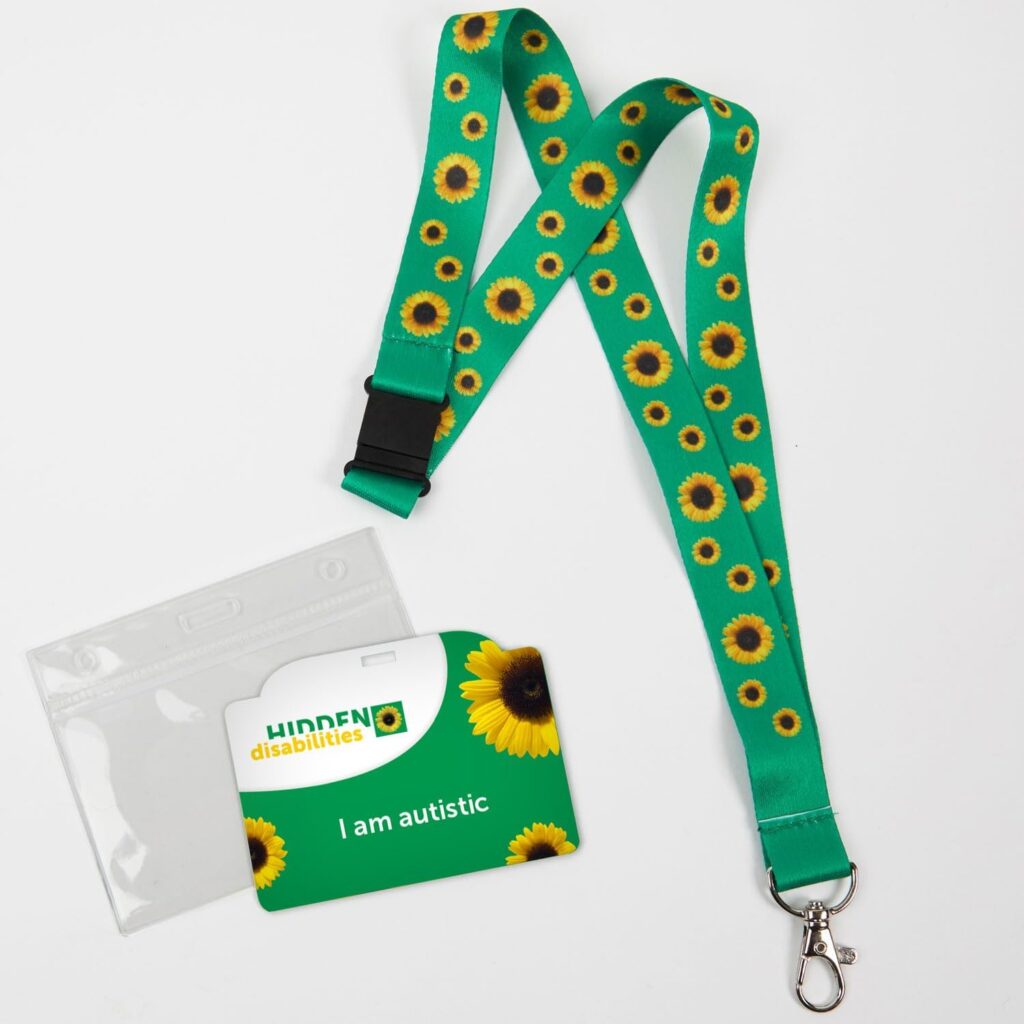
Explore the Autism Awareness Card with Hidden Disabilities
6. Indoor Vestibular Movement Tools
Many neurodivergent individuals, particularly children, are “sensory seekers” who require frequent movement to stay regulated and focused.
- Who it helps: Children with hyperactive ADHD profiles, dyspraxia, and those who need constant vestibular (movement) input.
- Why it helps: Indoor movement boards or small trampolines provide a safe outlet for boundless energy. Providing the brain with the gross motor movement it craves helps to satisfy the vestibular system, which in turn vastly improves seated concentration and emotional regulation later in the day.

Explore the MagicMeadow Sensory Kids Trampoline Indoor Board
7. Augmentative and Alternative Communication (AAC) Devices
Communication differences are a core part of many neurodivergent profiles. Some individuals are non-speaking, while others may experience temporary situational mutism when overwhelmed.
- Who it helps: Non-speaking autistic individuals, children with speech delays, and those who experience selective mutism.
- Why it helps: AAC devices provide a vital voice. By pressing buttons with associated images and words, the user can express their needs, feelings, and choices clearly to parents, teachers, and peers. This drastically reduces the frustration and behavioural meltdowns that stem from being misunderstood.
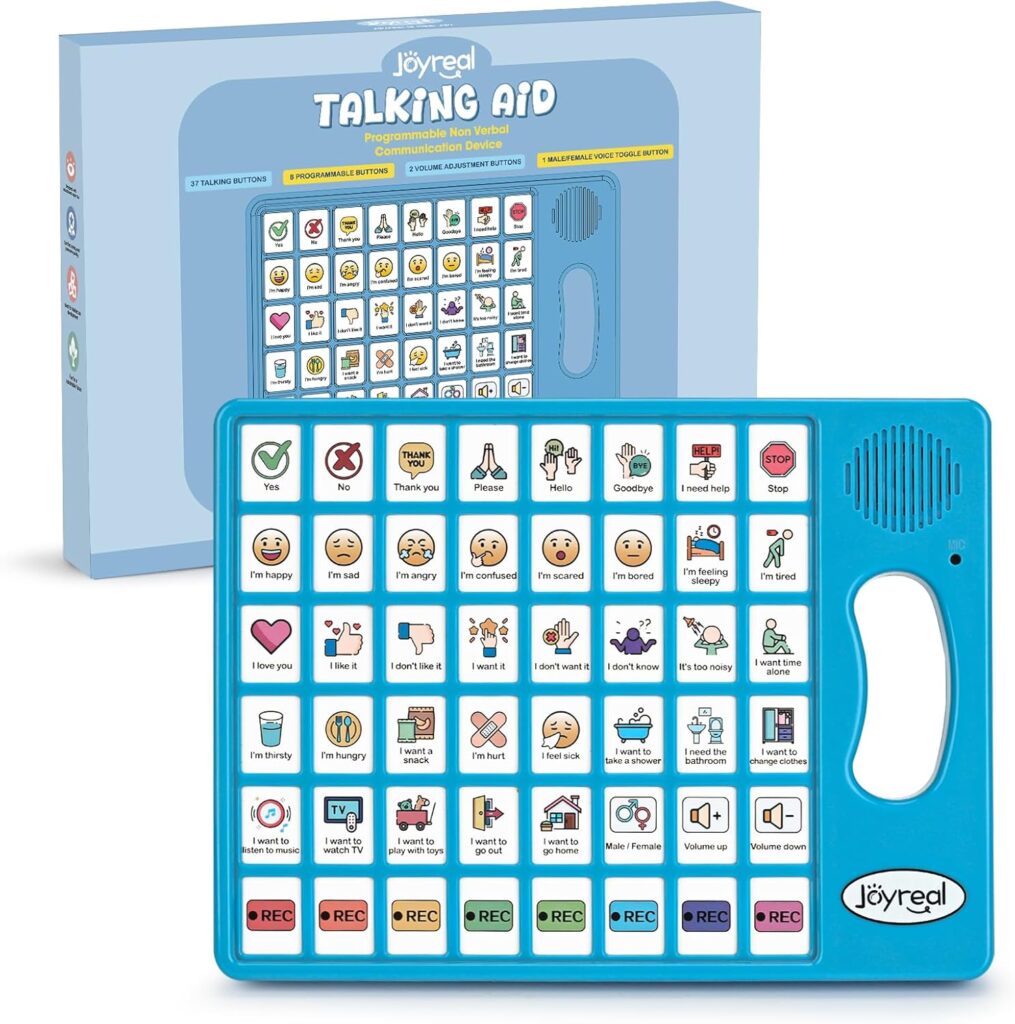
Explore the Joyreal AAC Device for Autism
3 Additional Tools to Consider for Your Sensory Toolkit
To round out your support strategies, here are three extra product types that are gaining massive popularity within the UK neurodivergent community to help build out your daily routine:
8. Fidget and Stimming Tools
“Stimming” (self-stimulatory behaviour) is a natural and necessary way for many neurodivergent people to regulate their emotions and manage sensory input.
- Who it helps: People with ADHD, autism, dyspraxia, and general anxiety.
- Why it helps: Having a dedicated fidget tool—like a tangle toy, a spinner, or a textured sensory strip—gives restless hands something to do. For an ADHD brain, providing low-level physical stimulation to the hands actually frees up the rest of the brain to focus on primary tasks, like listening to a meeting or completing homework.
9. Visual Timetables and Planners
Executive dysfunction can make planning a day feel like trying to solve a puzzle with missing pieces. For many, spoken instructions are easily forgotten, and abstract concepts like “getting ready for school” are too broad to process.
- Who it helps: Autistic individuals who thrive on predictable routines, and people with ADHD who struggle with working memory.
- Why it helps: Visual timetables break the day down into clear, manageable steps using pictures or highly structured lists. This removes the anxiety of the unknown (the “what happens next” panic) and helps individuals build independence without relying on constant verbal prompting from parents or managers.
10. Visual Countdown Clocks (Time Timers)
“Time blindness” is the inability to sense the passing of time. A neurotypical person might intuitively know what five minutes feels like, whereas an ADHD brain might think five minutes is either 30 seconds or three hours.
- Who it helps: People with ADHD and autism who struggle with time management, transitions, and deadlines.
- Why it helps: A visual countdown clock displays time not as numbers, but as a solid block of colour (usually red) that physically shrinks as time passes. It turns the abstract, invisible concept of time into a highly concrete, visual reality, making it much easier to transition between tasks without panic.
Finding What Works for You
There is no “right” way to be neurodivergent, and therefore no single product that will fix every challenge. Building a sensory toolkit is a process of trial and error. Start by identifying the specific friction points in your day—whether that is the noise of the morning commute or the struggle to focus on paperwork—and introduce one tool at a time.
Head over to our products page today to explore our recommended tools and start building an environment that actually works for your brain.
Please note that some of the links on this page are affiliate links. This means that if you click through and make a purchase, we may earn a small commission at no additional cost to you. This helps support the running of the Neurosupport Directory. We only feature and recommend products we genuinely believe offer value as neurosupport tools.