

Understanding the signs, causes and practical steps towards recovery.
Burnout is something many people experience at some point in their lives, but for neurodivergent individuals, burnout can look very different. Whether you are autistic, have ADHD, dyslexia, dyspraxia, Tourette syndrome, or identify with more than one neurodivergent condition, the constant effort of navigating a world that isn’t always designed with neurodiversity in mind can take a significant toll.
Neurodivergent burnout is not simply feeling tired after a busy week. It is often the result of prolonged stress, masking, sensory overload and unmet support needs. Understanding what it is—and recognising the early signs—can make a significant difference to recovery.
What is neurodivergent burnout?

Neurodivergent burnout is a state of physical, mental and emotional exhaustion caused by prolonged demands that exceed a person’s capacity to cope. Unlike traditional workplace burnout, it often develops over months or even years and affects every aspect of daily life.
Many people describe feeling as though they have “hit a wall”. Tasks that once felt manageable suddenly become overwhelming, concentration becomes more difficult, and even basic daily activities can require immense effort.
For autistic individuals, this experience is often referred to as autistic burnout, while people with ADHD may experience ADHD burnout. Although each person’s experience is unique, there are many shared characteristics.
Common signs of neurodivergent burnout

Everyone experiences burnout differently, but common signs include:
- Constant physical and mental exhaustion that doesn’t improve with rest.
- Increased sensitivity to noise, light, touch or busy environments.
- Difficulty concentrating or making decisions.
- Reduced executive functioning, making planning and organisation much harder.
- Feeling emotionally overwhelmed or easily tearful.
- Increased anxiety or irritability.
- Loss of motivation for activities you normally enjoy.
- Greater need for solitude and recovery time.
- Difficulty communicating or finding the right words.
- Feeling unable to keep up with work, education or everyday responsibilities.
Many people also notice that they struggle to mask their neurodivergent traits in the way they previously could.
What causes neurodivergent burnout?

Burnout rarely develops because of one event. More often, it is the cumulative effect of multiple pressures over time.
Masking
Many neurodivergent people spend years masking—consciously or unconsciously suppressing natural behaviours in order to fit social expectations.
This may include:
- Forcing eye contact.
- Copying social behaviours.
- Hiding stimming.
- Carefully rehearsing conversations.
- Constantly monitoring body language and facial expressions.
While masking may help someone navigate certain situations, maintaining it over long periods requires enormous mental energy.
Sensory overload
Bright lighting, background noise, crowded spaces, strong smells or uncomfortable clothing can create a constant level of stress that others may not notice.
Without adequate recovery time, this ongoing sensory demand can contribute significantly to burnout.
Executive functioning demands
Managing appointments, responding to emails, organising daily life, remembering deadlines and switching between tasks all place demands on executive functioning.
For individuals with ADHD or other neurodivergent profiles, these tasks may require considerably more energy than people realise.
Lack of understanding or support
Working, studying or living in environments where neurodivergent needs are misunderstood can create ongoing stress.
Examples include:
- Unrealistic workloads.
- Lack of reasonable adjustments.
- Pressure to socialise constantly.
- Little opportunity for quiet working.
- Feeling misunderstood by colleagues, friends or family.
ADHD burnout vs autistic burnout
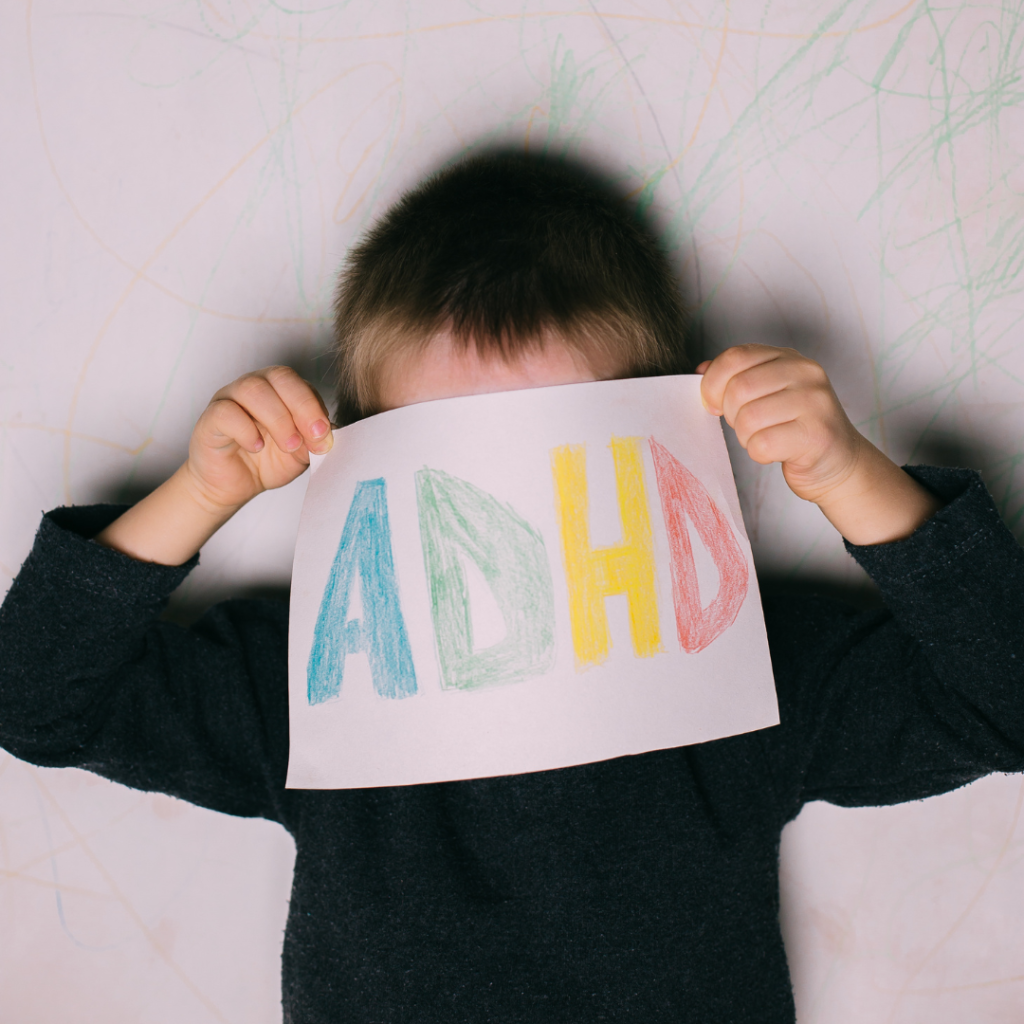
There is considerable overlap, particularly for people who identify as AuDHD (both autistic and ADHD).
ADHD burnout
People with ADHD often describe:
- Mental fatigue from constantly trying to stay organised.
- Emotional exhaustion.
- Reduced motivation.
- Increased procrastination.
- Difficulty initiating even simple tasks.
Autistic burnout
Autistic burnout commonly includes:
- Loss of previously acquired skills.
- Increased sensory sensitivity.
- Difficulty communicating.
- Greater need to withdraw from social situations.
- Feeling unable to maintain previous levels of functioning.
Both experiences are valid and deserve appropriate support.
How long does neurodivergent burnout last?
Recovery varies greatly from person to person.
Some people begin feeling better after several weeks, while others may require months of recovery—particularly if burnout has built up over many years.
Recovery is rarely linear. There may be good days followed by more difficult periods, and this is entirely normal.
How to recover from neurodivergent burnout
While there is no quick fix, these strategies can support recovery.
Reduce demands where possible
If you can, temporarily reduce commitments and focus only on essential tasks.
This might mean:
- Taking annual leave.
- Reducing social obligations.
- Asking for help.
- Breaking tasks into much smaller steps.
Prioritise sensory regulation
Create environments that feel calming and predictable.
This could include:
- Noise-cancelling headphones.
- Soft lighting.
- Comfortable clothing.
- Quiet spaces.
- Regular movement breaks.
Allow yourself to unmask
Where it feels safe to do so, allowing yourself to stim, communicate naturally and reduce the effort of masking can significantly lower stress levels.
Focus on basic needs
During burnout, even simple routines can become difficult.
Prioritise:
- Sleep.
- Hydration.
- Nutritious meals.
- Gentle movement.
- Time outdoors if it feels restorative.
Small, consistent steps are often more sustainable than trying to return to your previous pace too quickly.
Seek neuro-affirming support
Working with professionals who understand neurodiversity can help you develop strategies that suit your individual needs rather than expecting you to fit into approaches designed for neurotypical experiences.
Support might include therapy, coaching, occupational therapy, workplace advice or peer support.
Preventing future burnout
Although burnout cannot always be avoided, recognising your own patterns can reduce the likelihood of reaching crisis point.
Helpful strategies include:
- Scheduling regular recovery time.
- Setting realistic expectations.
- Learning to recognise early warning signs.
- Building supportive routines.
- Asking for reasonable adjustments at work or in education.
- Protecting your energy rather than constantly pushing through exhaustion.
Recovery is not about becoming more productive—it’s about creating a sustainable way of living that respects your needs.
When should you seek help?
If burnout is affecting your work, education, relationships or ability to manage everyday life, it is important to seek support.
You do not need to wait until you reach breaking point. Early intervention can often prevent burnout from becoming more severe and help you build healthier strategies for the future.
Find neurodiversity support
Recovering from neurodivergent burnout does not have to be something you face alone.
Whether you’re looking for an ADHD coach, autism specialist, therapist, occupational therapist or workplace consultant, finding the right support can make a meaningful difference.
Explore our directory to connect with neuro-affirming professionals who understand the unique challenges of neurodivergent burnout and can help you move towards sustainable recovery.
Frequently Asked Questions
Is neurodivergent burnout the same as depression?
No. While there can be overlap, neurodivergent burnout is typically linked to prolonged cognitive, sensory and emotional overload. A healthcare professional can help determine whether depression, burnout or another condition is contributing to your symptoms.
Can children experience neurodivergent burnout?
Yes. Children and young people can experience burnout, particularly if they are masking, coping with overwhelming school environments or not receiving the support they need.
Can burnout affect executive functioning?
Yes. Many people notice increased difficulties with memory, planning, organisation, decision-making and initiating tasks during burnout.
Is it possible to fully recover?
Many people do recover from neurodivergent burnout, particularly when they have time to rest, appropriate support and an environment that recognises and respects their needs. Recovery often involves making long-term changes that reduce the likelihood of future burnout rather than simply returning to previous patterns.