
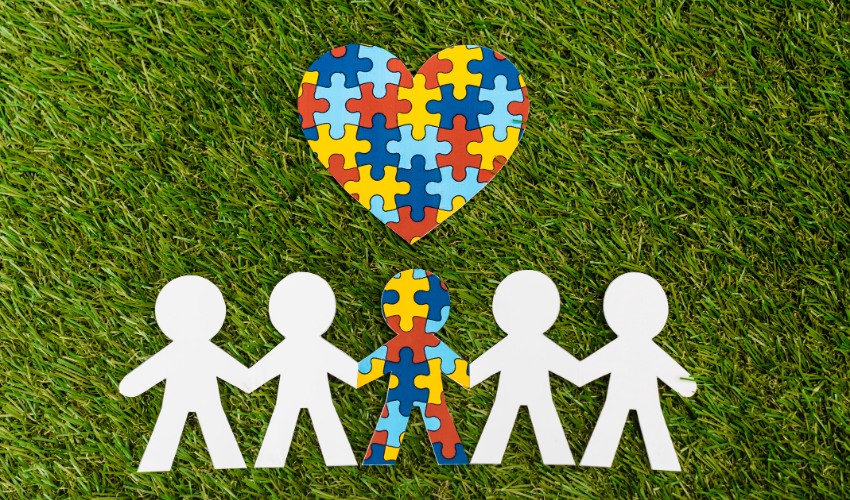
In recent years, the word “neurodivergent” has moved from academic circles into mainstream conversation. From workplace diversity initiatives to social media platforms like TikTok, more people in the UK are using this term to describe their lived experiences. But what does it actually mean?
If you are wondering whether you or a loved one might be neurodivergent, navigating the terminology, the “symptoms,” and the UK healthcare system can feel overwhelming. This comprehensive guide breaks down exactly what neurodivergence is, the different types, the common traits you might recognise, and how to seek support across England, Wales, Scotland, and Northern Ireland.
What Does ‘Neurodivergent’ Mean?
To understand “neurodivergent,” we first need to look at neurodiversity. Coined in the late 1990s by Australian sociologist Judy Singer, neurodiversity is the concept that natural variations exist in how human brains function and process information. Just as there is diversity in human physical traits (like height or eye colour), there is diversity in human cognition.
- Neurotypical: Refers to individuals whose brain functions, learns, and processes information in the way society expects or considers “standard.”
- Neurodivergent: Refers to an individual whose brain functions, learns, and behaves differently from what is considered “typical.”
Crucially, the neurodiversity paradigm views these differences not as deficits or diseases to be “cured,” but as natural human variations. While being neurodivergent comes with unique strengths—such as hyper-focus, creative problem-solving, and high empathy—it can also present significant challenges in a world designed primarily for neurotypical people.
Common Types of Neurodivergence
Neurodivergence is an umbrella term. It is not a medical diagnosis in itself, but rather a category that encompasses a wide variety of specific neurological differences. Here are the most common types:
1. Autism Spectrum Condition (ASC / ASD)
Autism affects how a person communicates with and relates to other people, as well as how they experience the world around them. It is a spectrum, meaning it affects different people in very different ways.
- Common traits: Differences in social communication (struggling with neurotypical social cues or eye contact), a preference for routine, intense special interests, and sensory sensitivities (finding certain lights, sounds, or textures overwhelming).
2. Attention Deficit Hyperactivity Disorder (ADHD)
ADHD affects people’s behaviour, concentration, and impulse control. In the UK, it is estimated that around 3-4% of adults have ADHD, though many remain undiagnosed.
- Common traits: Difficulty maintaining attention on tasks that aren’t highly stimulating, impulsivity, physical restlessness (hyperactivity), and challenges with executive functioning (such as time management, organisation, and starting tasks).
3. Specific Learning Difficulties (SpLDs)
This category includes several conditions that affect how information is learned and processed, despite the individual having average or above-average intelligence:
- Dyslexia: Primarily affects reading, spelling, and writing skills. It involves challenges with phonological processing and working memory.
- Dyspraxia (Developmental Coordination Disorder – DCD): Affects physical coordination. It can make fine motor skills (like writing or tying shoelaces) and gross motor skills (like catching a ball) difficult.
- Dyscalculia: Affects a person’s ability to understand, recall, and manipulate numbers and mathematical concepts.
- Dysgraphia: Affects the physical act of writing, often resulting in illegible handwriting and difficulty putting thoughts onto paper.
4. Tourette’s Syndrome and Tic Disorders
These are conditions of the nervous system that cause people to make involuntary sounds and movements, known as tics.
“Symptoms” vs. Traits: What to Look Out For
In the medical world, doctors often look for “symptoms.” However, within the neurodivergent community, these are more commonly referred to as “traits” or “characteristics,” because neurodivergence is a way of being, not an illness.
While every neurodivergent person is entirely unique, there are some overlapping traits you might recognise:
- Executive Dysfunction: Struggling with planning, organising, initiating tasks, and managing time.
- Sensory Processing Differences: Being either hyper-sensitive (over-responsive) or hypo-sensitive (under-responsive) to sensory input like loud noises, bright lights, smells, or physical touch.
- Masking or Camouflaging: Consciously or subconsciously hiding neurodivergent traits to “fit in” with neurotypical peers. This is incredibly exhausting and can lead to burnout.
- Hyper-focus: The ability to concentrate intensely on a subject or task of interest for hours at a time, often losing track of everything else.
- Emotional Dysregulation: Experiencing emotions very intensely or struggling to regulate emotional responses to stress.
Seeking a Diagnosis and Support in the UK
If you recognise these traits in yourself or your child, seeking a formal assessment can be a validating step, offering access to legal protections and practical support. However, the diagnostic pathway varies depending on where you live in the UK.
The NHS Route
Across the whole of the UK, the first step is usually a conversation with your GP. You should explain why you think you or your child might be neurodivergent and ask for a referral for an assessment.
- England: Wait times for NHS autism and ADHD assessments can be exceptionally long (sometimes several years). However, patients in England have a legal right known as “Right to Choose.” This means if your GP refers you for an assessment, you can ask to be referred to an approved private provider (like Psychiatry UK or Clinical Partners) who hold NHS contracts. The NHS pays the bill, but the wait times are often significantly shorter.
- Scotland and Wales: The “Right to Choose” framework does not apply here. Referrals must go through local NHS Health Boards. Wait times vary drastically by region, and if you wish to go private, you will have to self-fund the assessment.
- Northern Ireland: Referrals are made through your local Health and Social Care (HSC) Trust. Similar to Scotland and Wales, there is no NHS-funded Right to Choose, and waiting lists for adult diagnostic services can be particularly lengthy.
Workplace and Educational Support (UK-Wide)
You do not always need a formal medical diagnosis to ask for support.
- In Education: Schools across the UK are required to provide SEN (Special Educational Needs) support. If needs are complex, you may require an EHCP (England), an IDP (Wales), a CSP (Scotland), or a Statement of SEN (Northern Ireland).
- In the Workplace: The Equality Act 2010 (covering England, Scotland, and Wales) and the Disability Discrimination Act 1995 (covering Northern Ireland) legally require employers to make “reasonable adjustments” for neurodivergent employees.
- Access to Work: Regardless of where you live in the UK, if you have a job or are about to start one, you can apply for the government’s Access to Work grant. This can pay for ADHD coaching, specialised software, noise-cancelling headphones, or even transport assistance.
Understanding neurodivergence is about recognising that there is no single “right” way for a brain to function. Whether you are pursuing a diagnosis, looking to secure accommodations at work, or simply trying to understand yourself better, remember that your neurodivergent traits come with a unique and valuable perspective.