
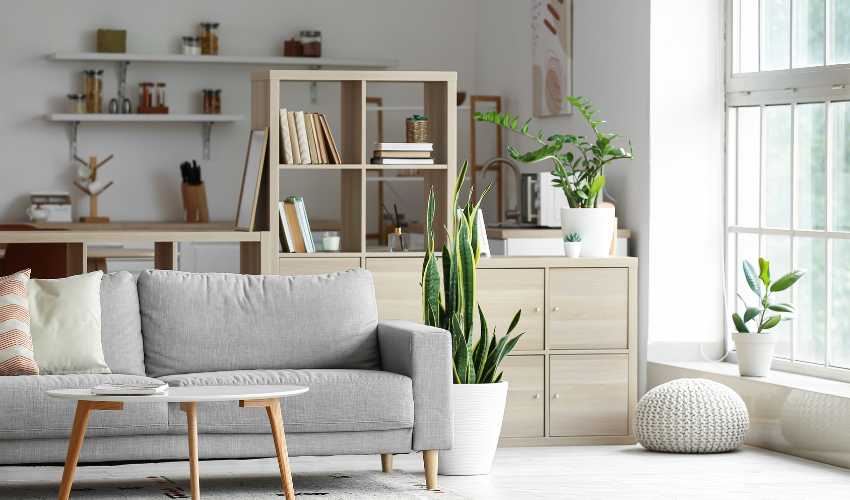
For neurodivergent individuals—particularly those with autism, ADHD, or sensory processing differences—the world can often feel incredibly loud, bright, and overwhelming. After a long day of navigating schools, workplaces, or busy public spaces, coming home should offer a sigh of relief. But what happens if the home environment is also contributing to sensory overload?
Creating a sensory-friendly zone or a dedicated sensory room at home is one of the most effective ways to reduce sensory overwhelm and promote emotional regulation. You don’t need an unlimited budget or a massive house to achieve this; a quiet corner or a reorganised bedroom can work wonders.
Here is our comprehensive guide to translating sensory needs into practical home adaptations, focusing on lighting, soundproofing, and organising.
1. Finding the Right Space
Before making any changes, you need to decide where your sensory zone will be. It could be a whole bedroom, a spare room, a walk-in wardrobe, or simply a cosy corner shielded by a room divider.
The primary goal is to choose a low-traffic area. Avoid spaces right next to the kitchen (which is full of strong smells and loud appliances) or directly adjacent to the main family television. Once you have identified the space, establish clear boundaries. Everyone in the household should understand that when a family member is in the sensory zone, they are not to be disturbed unless absolutely necessary.
2. Lighting: Softening the Visual Environment
Lighting is one of the most common triggers for sensory overload. Traditional overhead lights—especially fluorescent bulbs—can emit an imperceptible flicker and a low-level hum that is highly distressing for someone with sensory sensitivities.
Actionable Tips for Sensory Lighting:
- Ditch the “Big Light”: Rely on layered lighting instead. Use floor lamps, table lamps, and wall sconces to create a softer, more inviting glow.
- Install Dimmer Switches: Allowing the individual to control the brightness of the room empowers them to adjust their environment to their current sensory needs.
- Use Colour-Changing LEDs: Smart bulbs or LED strip lights are fantastic. Cool blues and greens are universally recognised for their calming properties, whilst warm oranges can create a cosy, womb-like environment.
- Invest in Blackout Blinds: Natural light is wonderful, but on high-anxiety days, it can be too much. Blackout curtains or blinds allow you to completely control the visual input of the room, blocking out streetlights and harsh sun glare.
- Focal Sensory Lighting: Consider adding a bubble tube, a fibre optic lamp, or a star projector. These provide gentle, predictable visual stimulation that can help an individual focus and self-soothe.
3. Soundproofing: Managing the Auditory Environment
Unexpected or overlapping noises are a fast track to a sensory meltdown. While completely soundproofing a room requires professional construction, there are many highly effective, budget-friendly ways to dampen noise and create an acoustic sanctuary.
Actionable Tips for Sound Reduction:
- Soft Furnishings are Your Friend: Hard surfaces bounce sound around. Add thick rugs, heavy curtains, and plenty of cushions to absorb ambient noise.
- Acoustic Panels: You can purchase attractive, fabric-wrapped acoustic panels that stick directly to the walls. These absorb echoes and muffle noises coming from adjacent rooms.
- Draft Excluders and Solid Doors: A significant amount of noise enters through the gap at the bottom of a door. A simple draft excluder can make a massive difference. If budget allows, swapping a hollow-core door for a solid wood door will drastically reduce noise transmission.
- White Noise and Soundscapes: Sometimes, the best way to mask irritating, unpredictable background noise (like traffic or a neighbour’s dog) is to introduce predictable noise. A white noise machine, or a speaker playing gentle rainfall or brown noise, can provide a soothing auditory blanket. Keep a pair of noise-cancelling headphones or ear defenders in the room for immediate relief.
4. Organising: Reducing Visual Clutter
Visual clutter equals cognitive clutter. When a room is messy or disorganised, the brain has to process every single item in its line of sight, which is exhausting for someone with sensory processing difficulties. A minimalist, highly organised approach is essential for a calming environment.
Actionable Tips for a Low-Arousal Space:
- Closed Storage: Open shelving can look lovely, but it is visually noisy. Opt for wardrobes, cupboards, and opaque storage boxes with lids. When toys, books, or craft supplies are put away, they should be entirely out of sight.
- Neutral Colour Palettes: Paint the walls in muted, neutral tones like soft greys, gentle earthy browns, or pastel blues. Avoid busy wallpapers with high-contrast patterns.
- Clear Labelling: For children, knowing exactly where things belong reduces anxiety. Use simple picture labels on the outside of closed boxes so they can find what they need without tearing the room apart.
5. Adding the Right Sensory Input
Once you have stripped away the overwhelming stimuli, you can deliberately add tools that provide regulating sensory input.
- Proprioceptive Input (Deep Pressure): This calms the nervous system. Consider adding a weighted blanket, a weighted lap pad, or a large beanbag chair that “hugs” the user.
- Vestibular Input (Movement): Gentle, repetitive movement is incredibly soothing. If space permits, an indoor sensory swing, a rocking chair, or a small indoor trampoline can help regulate the vestibular system.
- Fidget Baskets: Keep a small basket of tactile items handy. Think stress balls, soft fabrics, chewable jewellery, and tangle toys.
An Evolving Space
Remember that sensory needs fluctuate. What is calming one day might be irritating the next. The best sensory-friendly zones are adaptable and flexible. By putting the individual at the centre of the design process and focusing on lighting, sound, and organisation, you can create a safe harbour that genuinely supports their wellbeing.