For decades, the narrative surrounding neurodivergence in the UK was heavily medicalised. Discussions about autism, ADHD, and dyslexia were largely confined to clinical settings, often focusing on deficits rather than strengths. Today, however, that landscape is undergoing a radical, beautiful transformation.
We are witnessing a cultural shift where neurodivergent traits are not just accommodated, but celebrated. A massive catalyst for this change has been the courage of high-profile figures stepping into the spotlight to share their authentic, lived experiences. By “unmasking” in the public eye, these cultural icons are breaking down stigmas, prompting thousands to recognise their own ADHD symptoms or autism spectrum traits, and encouraging them to seek an NHS neurodiversity assessment.
With a profound “hat tip” to the trailblazers paving the way, here is a celebration of some of the most impactful neurodivergent icons and advocates across the UK today.
The Power of the Documentary: Unmasking on Screen
British television has played a phenomenal role in bringing neurodiversity into the living rooms of millions, largely thanks to advocates willing to be vulnerable on camera.
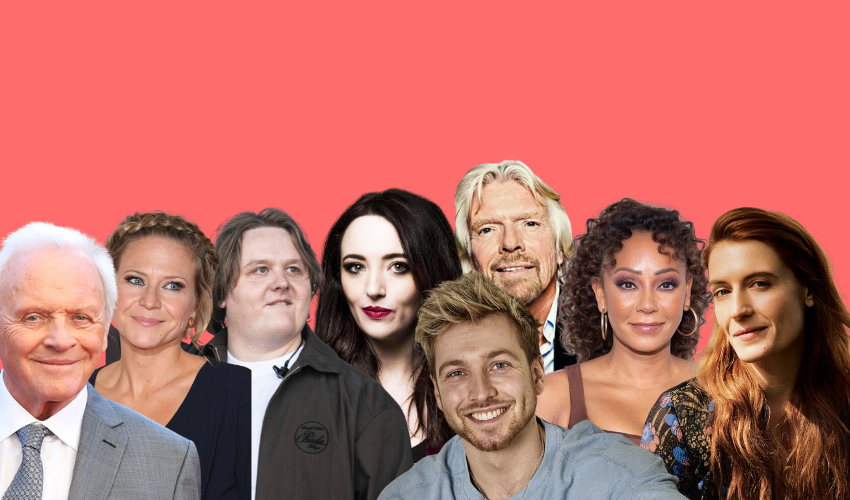
Chris Packham The beloved broadcaster and naturalist has become one of the UK’s most prominent champions for autism acceptance. Diagnosed with Asperger’s syndrome (now classified under the autism spectrum) later in life, Chris has used his platform to highlight how his neurodivergence fuels his profound connection with the natural world. His BBC documentary, Inside Our Autistic Minds, was groundbreaking in giving non-speaking and highly masked autistic individuals a platform to share their inner worlds, fostering deep empathy across the nation.
Sam Thompson Known for his boundless energy, reality TV star and presenter Sam Thompson captured the hearts of the nation when he documented his journey to an ADHD diagnosis. His candid documentary, Is This ADHD?, resonated with thousands of adults who recognised their own struggles with impulsivity, focus, and emotional regulation. Now a National Diversity Awards ADHD advocate, Sam has been instrumental in showing that ADHD is not just “naughty schoolboys,” but a complex neurological difference that affects adults in all walks of life.
Christine McGuinness Author, model, and television personality Christine McGuinness has been a powerful force in the neurodiversity space. Initially advocating for her three autistic children, Christine later documented her own journey of being diagnosed as autistic as an adult. Through her documentaries and books, she has shone a crucial light on how autism presents differently in women and girls, who are historically underdiagnosed.
Advocacy from the Frontlines: Parenting and Policy
Behind every neurodivergent child is often a fiercely dedicated parent navigating a complex web of SEND (Special Educational Needs and Disabilities) bureaucracy.
Kellie Bright EastEnders actress Kellie Bright is a passionate and vocal advocate for neurodivergent children. Driven by her lived experience as a mother to a son with a dual diagnosis of autism, ADHD, and dyslexia, she has not shied away from highlighting the systemic hurdles parents face. Presenting a hard-hitting BBC Panorama documentary, Kellie exposed the “exhausting” struggle families endure to secure adequate SEN support and Education, Health and Care Plans (EHCPs) in England. Her advocacy gives a powerful voice to parents fighting for their children’s educational rights.
Melanie Sykes Following her autism diagnosis at the age of 51, TV presenter Melanie Sykes completely re-evaluated her life and career. She has since become a fierce advocate for autistic women and the broader neurodivergent community, speaking out about the exhaustion of masking in the demanding environment of the media industry and highlighting the lack of adequate post-diagnostic support for adults.
Tanya Bardsley Known for her role on the Real Housewives of Cheshire, Tanya Bardsley has utilised her reality TV platform to break the stigma surrounding ADHD and mental health. Working closely with the charity ADHD UK, Tanya speaks openly about her own late diagnosis, helping to normalise conversations about neurodivergence in spaces where it is rarely discussed.
Breaking Boundaries in STEM, Arts, and Culture
Neurodivergent minds have always been at the forefront of human innovation, creativity, and problem-solving. These advocates are proving that neurodivergence is often the very key to their extraordinary success.
Dr. Maggie Aderin-Pocock Renowned space scientist and presenter of The Sky at Night, Dr. Maggie Aderin-Pocock is a vital advocate for neurodiversity in STEM (Science, Technology, Engineering, and Mathematics). Having grown up with dyslexia, she frequently speaks about how her brain’s unique way of processing information allowed her to conceptualise complex three-dimensional space mechanics. She is a living testament that specific learning difficulties are no barrier to reaching the stars.
Fern Brady Scottish comedian Fern Brady has taken the literary and comedy worlds by storm. In her bestselling, critically acclaimed memoir Strong Female Character, Fern writes with searing honesty and dark humour about her late autism diagnosis. As a working-class Scottish woman, her advocacy is crucial, cutting through stereotypes and offering a raw, unfiltered look at the realities of sensory overload, meltdowns, and the relief of finally understanding your own brain.
Ellie Middleton A leading voice for the younger generation, Ellie Middleton has built a massive community online. As the creator and author of (un)masked, she focuses specifically on the intersection of autism and ADHD (AuDHD). Ellie’s advocacy translates complex neurodivergent experiences into accessible, relatable content, empowering young professionals to ask for reasonable adjustments in the workplace and to embrace their unmasked selves.
Heston Blumenthal Culinary pioneer Heston Blumenthal is an ADHD UK Celebrity Ambassador who actively credits his ADHD for his immense success. The condition, he argues, provides him with the boundless curiosity, hyper-focus, and outside-the-box thinking required to revolutionise modern gastronomy. He advocates for viewing ADHD not as a deficit, but as a potential superpower when nurtured in the right environment.
Cat Burns Double Brit Award-nominated singer-songwriter Cat Burns is championing neurodivergence in the music industry. Working with the disability charity Scope UK, Cat speaks openly about navigating the sensory demands and social pressures of the music business as a neurodivergent artist, creating vital representation for young, Black, neurodivergent creatives.
Anne Hegerty Best known as “The Governess” on ITV’s The Chase, Anne Hegerty has done wonders for autism awareness among daytime television audiences. Anne has been incredibly open about her autism diagnosis, demonstrating firsthand how traits such as exceptional information retention, hyper-focus, and a deep passion for special interests can be harnessed as formidable strengths.
The Ripple Effect Across the UK
The visibility of these advocates has a profound, tangible impact across the entire United Kingdom.
In England, parents watch Kellie Bright and feel less alone in their fight for local authority funding. In Scotland, Fern Brady’s advocacy prompts adults to approach their local Health Boards for an autism assessment. In Wales and Northern Ireland, figures like Sam Thompson and Christine McGuinness provide relatable representations that cross borders, driving people toward charities and local support networks to finally get the help they deserve.
By celebrating these icons, we move closer to a society that doesn’t just tolerate neurodiversity, but actively values it.