
Trusted neurodiversity and diagnostic support for adults, parents, and families – all in one place




What is Neurodiversity?
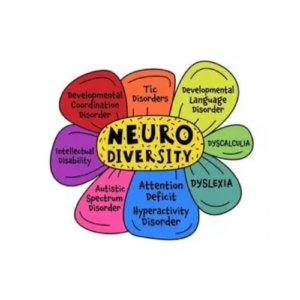
Neurodiversity is the concept that variations in the human brain and nervous system, such as autism, ADHD, dyslexia, and other neurological differences, are natural and should be recognised and respected as part of human diversity. It emphasises that these differences are not inherently pathological but rather variations in cognitive functioning that can offer unique strengths and perspectives.
Pre-Diagnosis Support & Guidance
Taking the first steps towards a neurodivergent diagnosis can often feel overwhelming, whether you are seeking answers for yourself or advocating for a child. We have created comprehensive, step-by-step guides to help you navigate this vital early stage. From understanding how to document traits and speak to your GP, to accessing workplace adjustments or navigating the school system, our resources are designed to give you clarity and confidence before a formal assessment.
Support for Parents & Carers
Support for Adults (Late Diagnosis)
View All Pre-Diagnosis Resources
Types Of Services....
Neurodiversity services in our directory encompass a range of support and resources tailored to individuals with neurological differences.
These can include…

Educational Support
Services such as specialised tutoring, tailored learning plans, and educational coaching designed to address specific learning needs and strengths.

Counselling and Therapy
Mental health professionals offering therapeutic approaches adapted to neurodiverse individuals, including cognitive-behavioural therapy, occupational therapy, and sensory integration therapy.

Workplace Accommodations
Support in the workplace to create inclusive environments, such as flexible work schedules, customised job roles, and mentoring programmes to help neurodiverse employees thrive.

Social Skills Training
Programs aimed at enhancing communication and social interaction skills, often tailored to the needs of individuals with autism or other social differences.

Advocacy and Legal Support
Services that help individuals navigate legal rights, access appropriate accommodations, and advocate for their needs in educational and employment settings.
What Is Neurodiversity?
Neurodiversity is the concept that variations in the human brain and nervous system, such as autism, ADHD, dyslexia, and other neurological differences, are natural and should be recognised and respected as part of human diversity. It emphasises that these differences are not inherently pathological but rather variations in cognitive functioning that can offer unique strengths and perspectives.
Types Of Services....
Neurodiversity services in our directory encompass a range of support and resources tailored to individuals with neurological differences. These can include…
Educational Support: Services such as specialised tutoring, tailored learning plans, and educational coaching designed to address specific learning needs and strengths.
Counselling and Therapy: Mental health professionals offering therapeutic approaches adapted to neurodiverse individuals, including cognitive-behavioural therapy, occupational therapy, and sensory integration therapy.
Workplace Accommodations: Support in the workplace to create inclusive environments, such as flexible work schedules, customised job roles, and mentoring programmes to help neurodiverse employees thrive.
Social Skills Training: Programs aimed at enhancing communication and social interaction skills, often tailored to the needs of individuals with autism or other social differences.
Advocacy and Legal Support: Services that help individuals navigate legal rights, access appropriate accommodations, and advocate for their needs in educational and employment settings.